The Power of Trust: The Foundation of Lasting Relationships
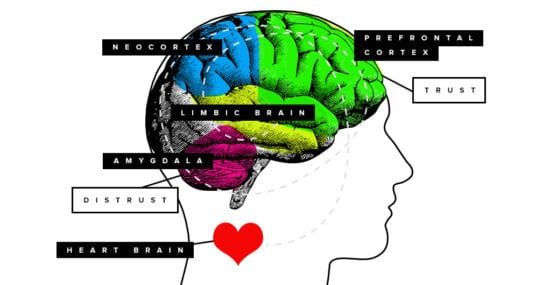
Many people believe love alone is enough to overcome obstacles in relationships, but the real glue holding two people together is trust. Trust is what allows a relationship to grow, deepen, and thrive. When trust is broken, it’s not just an emotional wound—it’s a neurological shutdown that rewires the brain toward suspicion and resentment.
We all know that gut-wrenching feeling when someone we love betrays our trust. It shakes us to our core because trust isn’t just a feeling of the heart—it’s wired deep into our brain’s patterns and processes. Understanding this is the first step toward healing and rebuilding trust in any relationship.
Understand your unique relationship needs to create a stronger bond together.
Trust: The Invisible Glue That Holds Relationships Together
Many people may think that love is what allows us to overcome obstacles in relationships, but in reality, it is trust. Trust is the glue that holds the relationship together, and without it, the relationship ceases to grow. Have you ever had someone you love betray your trust? It’s a gut-wrenching feeling. You feel it in the pit of your stomach, and you feel it in your heart. But trust is not just a feeling of the heart – it’s also connected to our brain patterns and processes.
The inclination to trust is wired into our DNA. In fact, when trust is betrayed, the neural networks and regions of the brain associated with trust disengage and shut down. The parts of the brain that had formerly been associated with positive emotions and acceptance toward the other person are now replaced with animosity, suspicion, and resentment. Most people can relate to that feeling, no matter what side of the trust equation they are on.
Many people spend life reacting to the world instead of actively shaping their lives based on the purpose, needs and values that drive them. But purpose is about something greater – purpose takes goals to an even higher level and adds meaning to life. [...]
You can’t always control the circumstances of your life, but you can choose to have an extraordinary life. There’s no shortage of advice on happiness and how to live a fulfilling life. But most of it lies at one of two extremes. You either focus on achieving external goals – like more money, vibrant health, and better relationships – or […]
If your story says you’re not enough, not worthy, or not capable, then no matter how hard you try, you’ll never break through. The good news? You have the power to rewrite that story—and when you do, you unlock a level of success and fulfillment you never thought possible. […]
Think of the most loyal person you know. The most creative. The most generous, individualistic or compassionate. We all have people in our lives who stand out in a particular way. There’s a reason for this. These people stand out for us because of their strong values. What are values? Where do they come from? […]
Love: It’s one of the few things in life that can create intense pleasure or intense pain in our lives. It’s the one force that has the power to put you on top of the clouds or in a deep, dark hole. Yet, no matter how much experience we gain in love, it seems like […]
Martin and Bonnie were a couple from the Midwest carrying scars and emotional baggage from their lives and relationships. Their trust had been deeply eroded by toxic behaviors, words and attitudes. They were facing a particularly thorny path back to restoring trust in their relationship.
Bonnie felt that Martin was unsympathetic of the pain she felt, and that he really did not acknowledge his part in creating that hurt. Martin felt that he had offered support to Bonnie in the past, but believed that she was mired so deeply in her own feelings that she was unable to see how much he was hurting and frustrated by their relationship coming off the rails. As Tony points out, partners in pain or uncertainty often engage in unhealthy behaviors that push healing and intimacy away.
Transform relationships with 9 keys to passion and intimacy
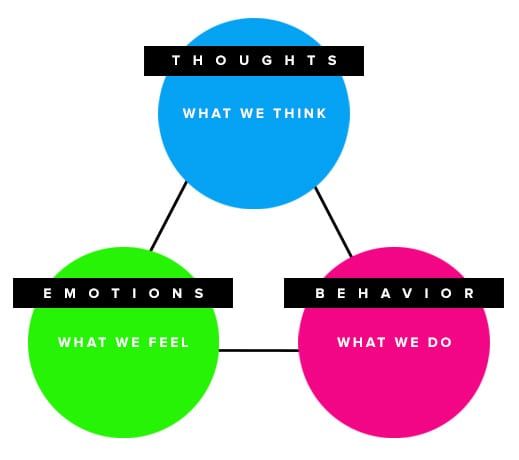
The cycle that Martin and Bonnie were experiencing is a commonality among every struggling relationship as a result of allowing unhealthy thoughts, behaviors and feelings loose. First these thoughts show up in our minds, and then they show up with tooth and claw in the relationship.
The ways in which we think, feel and behave are all linked, and each influences the others. For example, when you think you can’t rely on your partner for support, you might behave in ways that push your partner away, or build protective walls that keep them from giving the very support that you crave, leading to feeling unsupported, angry and lonely. These feelings continue the cycle and influence your thoughts in even more negative ways as you seek evidence to prove why your partner cannot be trusted. Your resentment leads to behaviors that create an even greater distance between you and your partner, and the cycle rolls on. You become increasingly frustrated with your relationship, more critical of your partner, and give up hope. With every negative thought, emotion, and behavior trust is further compromised.
It’s clear that Martin and Bonnie are in this cycle dilemma – Bonnie feels unsupported and misunderstood; Martin feels rejected, then also misunderstood and unsupported. And they both feel lonely.
Does this cycle sound familiar to you in your own relationship?
Their breakthrough
There was a perceptible shift in their tone and attitude. Bonnie was speaking about a very painful experience that had never been resolved. Martin was aware of this experience, but had grown impatient hearing about it and had previously projected an attitude of “just get over it” to Bonnie.
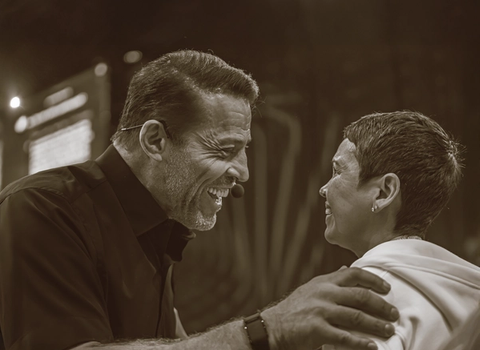
But in this moment, Martin’s eyes came back and met Bonny’s. His face changed from passive endurance to careful listening – as this time, he was inserting something different into their negative cycle. It was remarkable to observe his ears make a connection with his heart. He then spoke the words that ultimately changed the direction of their relationship: “That must have been very painful for you.”
He spoke with a depth of feeling and sympathy. Bonnie looked at Martin in wonder. Tears came into her eyes as she sensed Martin’s empathy. She said just a few more words about the long ago incident, then said to Martin, “I know these past few years have not been easy for you. I think I forgot how to be a good wife and friend to you.” Martin’s eyes misted over with tears.
How you can alter your own cycle
Because thoughts, feelings and behaviors are linked, if you want your relationship dynamic to change, you can enter the cycle at any point – as any change you make is likely to start a series of changes. So if you change your behavior – as Martin did in this case by expressing a willingness to better understand and support Bonny – the next thoughts, feelings and behaviors in the cycle were changed for both of them.
As Tony often says, the key to any romantic relationship is to give to your partner without any expectation of receiving. And in that moment, Martin gave to Bonnie without demanding anything in return.
By opening himself to Bonnie’s perspective, he had a profound breakthrough:
He was able to make a shift in the negative thought cycle that had plagued their relationship for years
This change led to empathetic behavior and acknowledgment of Bonnie’s pain
Empathy led to his new feelings of understanding, openness and trust
The shift in Martin’s cycle invited Bonnie to a space where:
She experienced new and healthier feelings and emotions
These led to a new pattern of positive thoughts about Martin and his care for her
Those thoughts in turn led Bonnie to grateful and accountable behavior
With each accountable, truthful, and caring word and gesture, wounds were healed and mutual trust grew – and it all started with Martin making the effort to shift out of his own selfish negative cycle to better understand Bonnie’s perspective. It accelerated with his willingness to trust that his wife’s feelings were real and, with his courage, to speak words of peace and empathy from his heart. Just like Martin and Bonnie, you also have the power to alter the cycle and create a stronger relationship.
Commit to connection with Tony Robbins Relationship Coaching
At-Home Strategy: Break the Negative Cycle with Empathy
You don’t need a retreat or therapy session to start shifting your relationship dynamic today. Here’s a simple but powerful practice to begin breaking the cycle of mistrust and resentment right now. The next time you find yourself caught in frustration or feeling misunderstood, pause and take a deep breath. Instead of reacting, consciously choose to listen deeply to your partner’s experience—even if it’s painful or difficult.
Say something like, “That must have been very painful for you.” This simple act of empathy interrupts the negative thought-feeling-behavior cycle and opens the door to connection. When you give empathy without expectation, you invite your partner to soften, to trust, and to respond with openness. Practice this daily, and watch how small shifts in your behavior ripple into new patterns of trust, understanding, and love.
Trust Restored: The Pathway to Healing and Growth
Martin and Bonnie’s story shows us that trust can be rebuilt, even after years of pain and misunderstanding. It starts with one person choosing to break the negative cycle by stepping into empathy and vulnerability. When Martin shifted his attitude from impatience to listening, he rewired their relationship’s neural pathways—replacing suspicion with understanding, resentment with connection.
Trust grew not because of grand gestures, but because of consistent, caring actions rooted in empathy. You have that same power. By choosing to give without expecting, to listen without judgment, and to open your heart even when it’s hard, you create the fertile ground where trust can flourish again. Remember, every relationship is a cycle—and you can enter it at any point to create lasting transformation.
Unlock deeper connection and transform your relationships